Materials

The right stone. Every grain considered.

Honest guidance on what holds up, what fits your budget, and what looks right in your space.

01 · Material

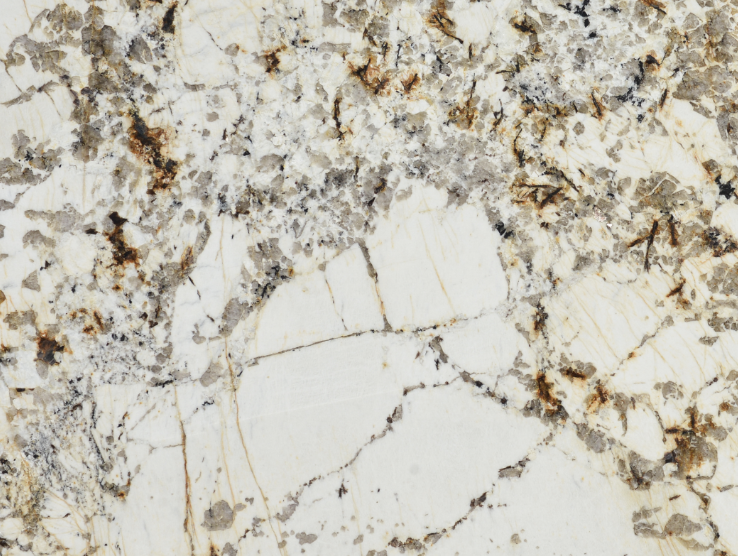
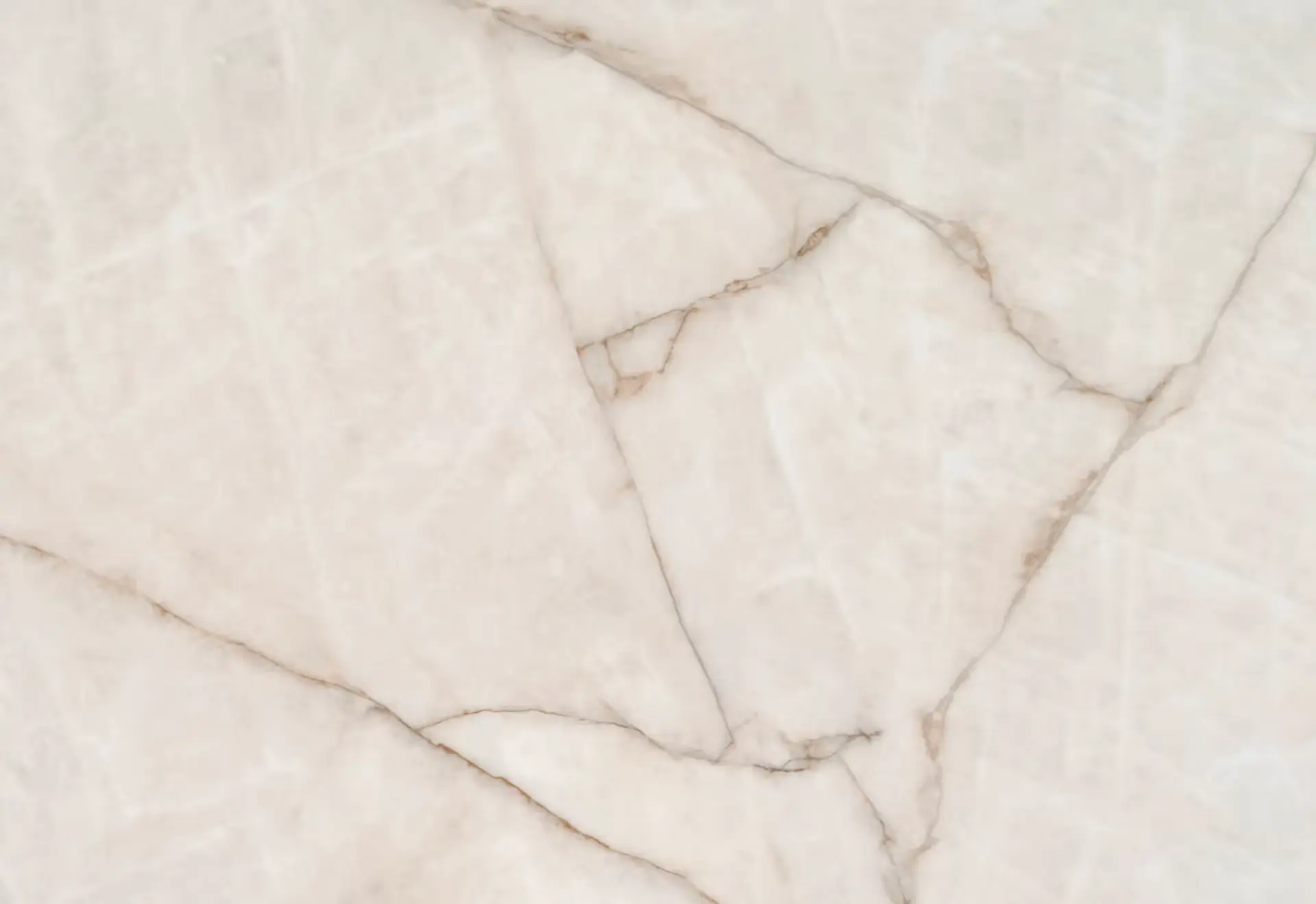
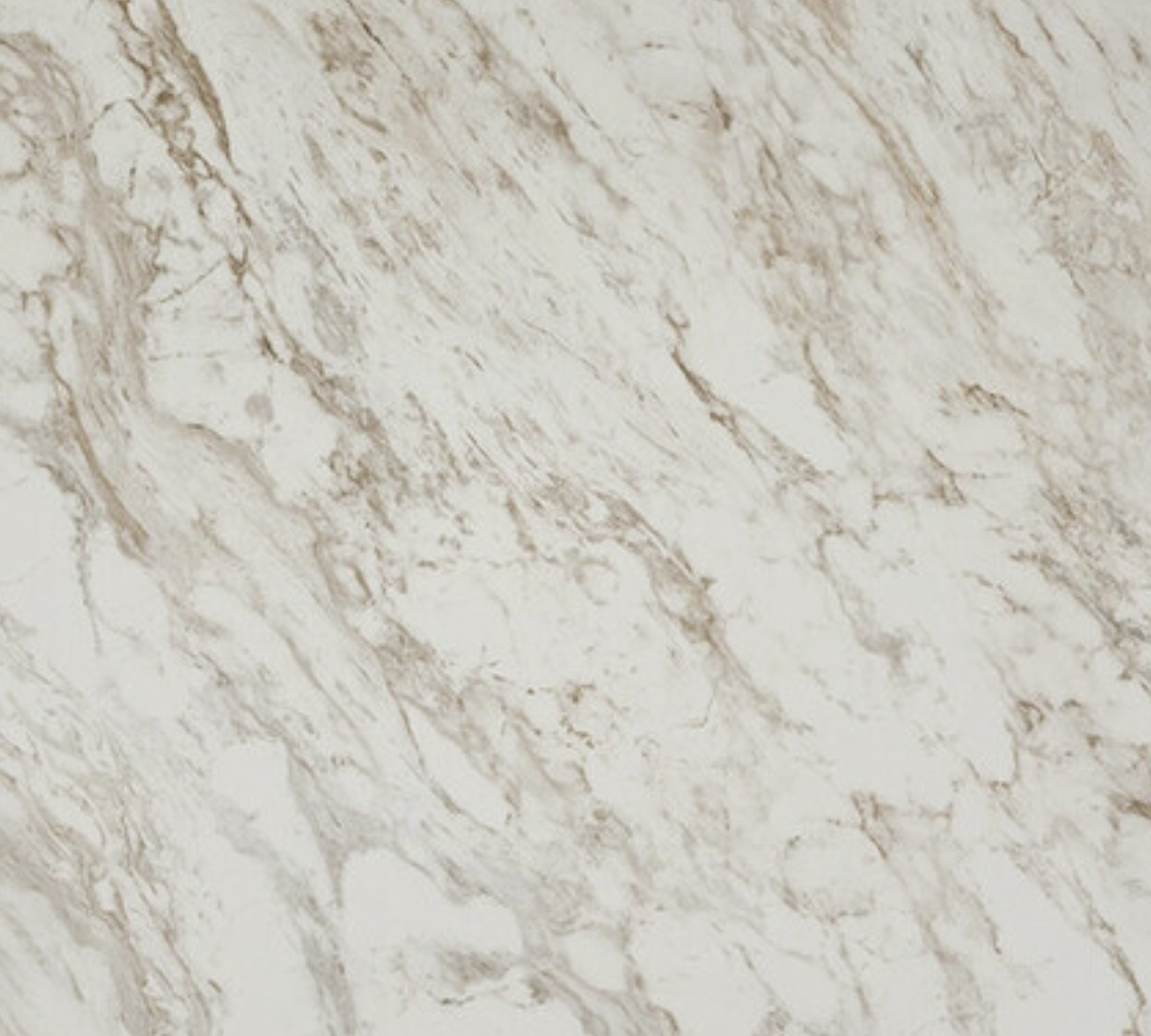
Quartzite

Marble look, harder than granite.

Natural metamorphic stone often confused with marble. Dramatic veining without marble's softness. Etches less, scratches less, costs more.

Pros

  • Marble aesthetic
  • Very hard
  • Heat-tolerant

Consider

  • Premium price
  • Seal 2× per year
02 · Material

Granite

Natural. Durable. Heat-Resistant.

Igneous stone — hard, heat-tolerant, no two slabs alike. Resists most spills but oils, wine, and juice can stain if left too long. Trivets recommended for repeated heat.

Pros

  • Heat-tolerant
  • Hard surface
  • Distinct grain

Consider

  • Seal 2× per year
  • Color variation slab-to-slab
03 · Material

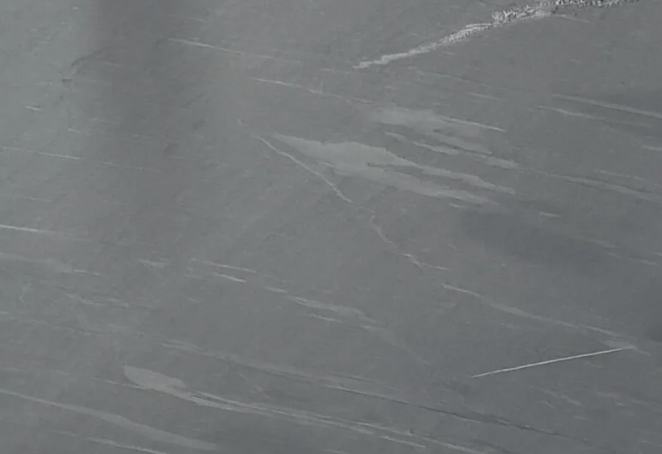
Slate

Matte, moody, naturally stain-resistant.

Low-porosity natural stone with a soft matte finish. Most spills won't penetrate, but oils and wine can mark softer varieties if left too long. Sealing usually not required for slate.

Pros

  • Naturally stain-resistant
  • Heat-tolerant
  • Distinct matte look

Consider

  • Softer varieties can scratch
  • Limited color range
04 · Material

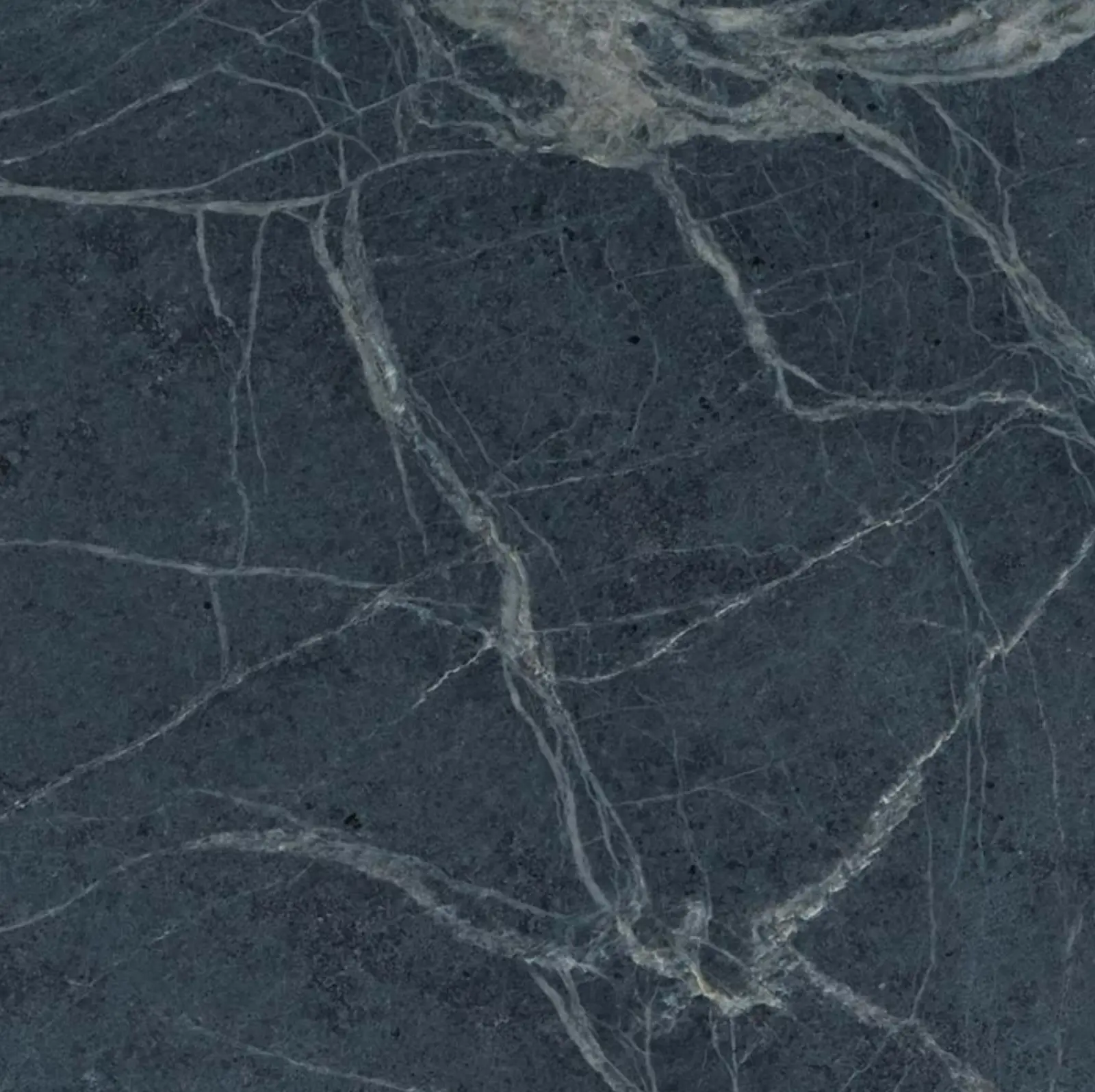
Soapstone

Non-porous. Warm. Develops a patina.

Naturally non-porous and stain-resistant — no sealing required. Natural oils darken soapstone over time; many owners apply mineral oil to accelerate and even out this patina. Excellent heat tolerance — you can set hot pans directly on it.

Pros

  • No sealing required
  • Excellent heat tolerance
  • Softens with age

Consider

  • Scratches show easily
  • Limited color palette
05 · Material

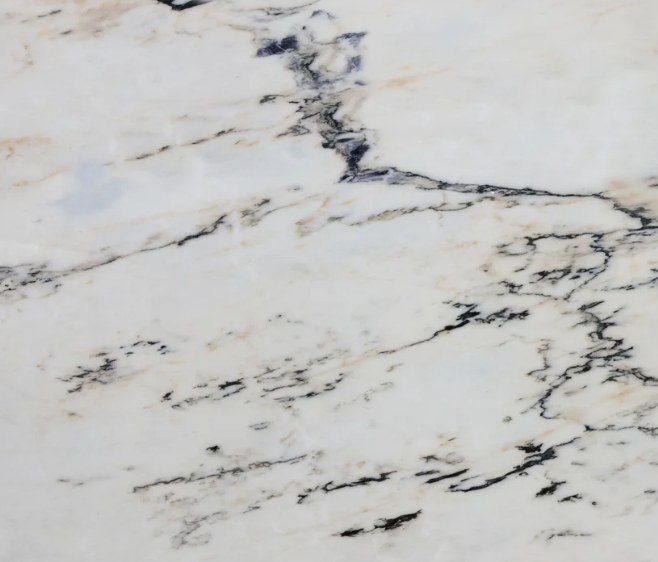
Marble

Classic. Soft. A statement.

Traditional choice for baking surfaces and statement vanities. Easily stains and etches from wine, coffee, lemon, and vinegar if not cleaned quickly. Handles warmth, but hot pans can dull the surface — use trivets.

Pros

  • Cool baking surface
  • Timeless look
  • Bright in low light

Consider

  • Etches with acids
  • Seal 2× per year
06 · Material

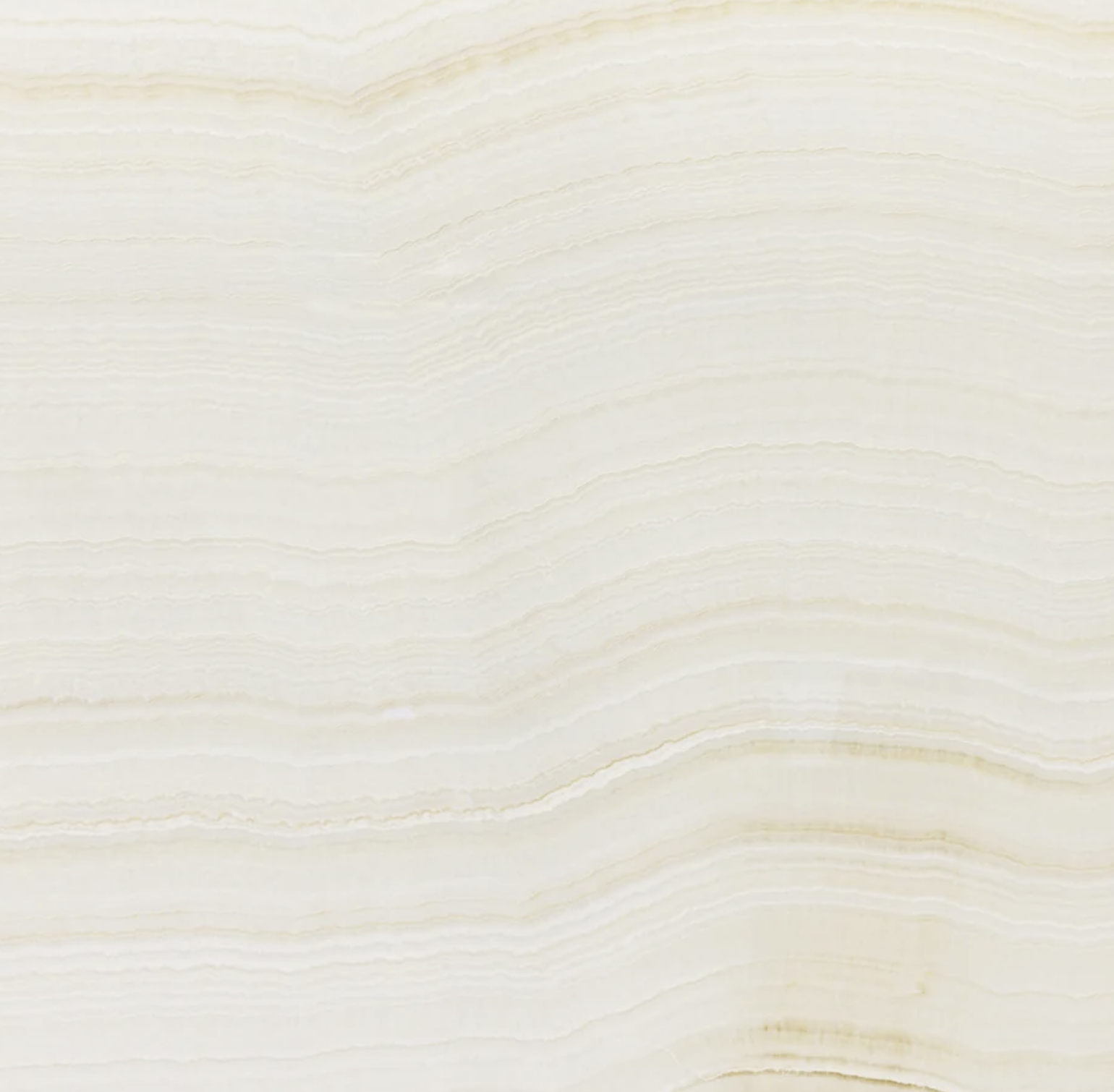
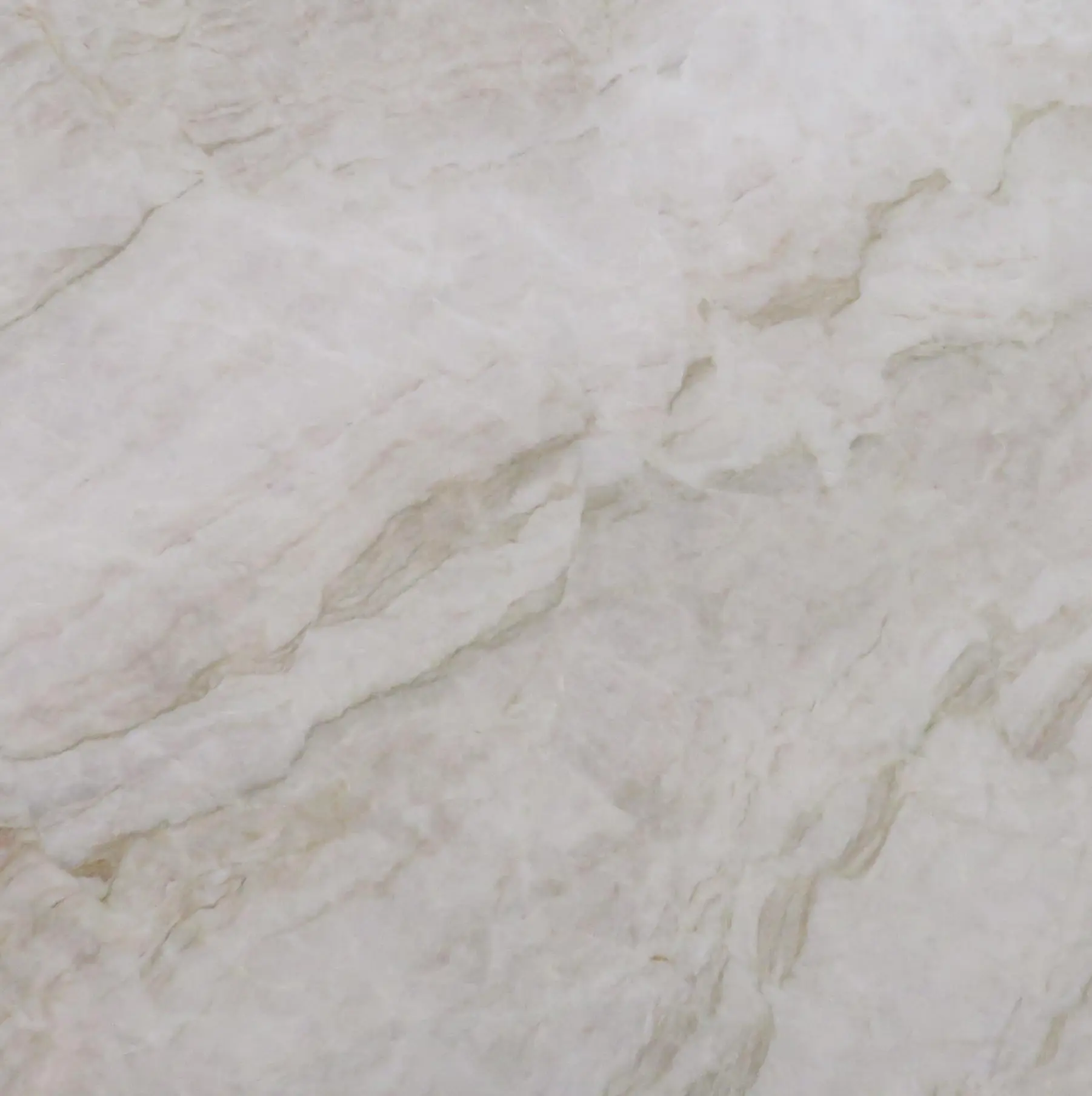
Onyx

Translucent. Dramatic. Backlit-ready.

Very porous natural stone — wine, coffee, and citrus can stain fast. Sensitive to hot pans and sudden temperature changes, which can crack the surface. Best for low-traffic features and backlit panels.

Pros

  • Translucent — can be backlit
  • One-of-a-kind veining
  • Statement piece

Consider

  • Seal 2× per year
  • Fragile — not for heavy use
07 · Material

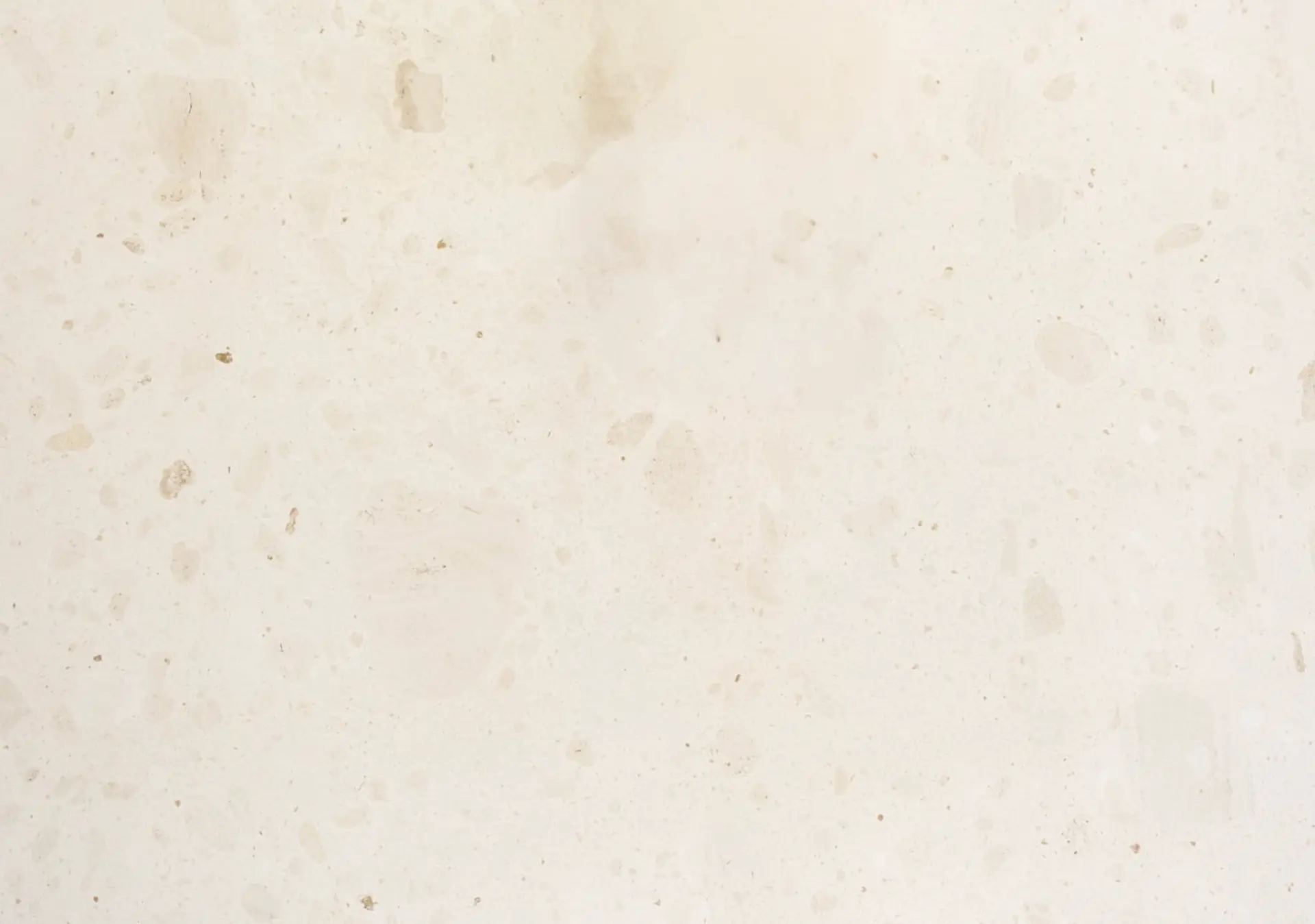
Limestone

Soft, earthy, organic feel.

Absorbs liquids easily — wine, coffee, and oils stain fast if not sealed well. Warm items are fine, but not safe for direct hot pans. Soft and prone to scratches, chips, and wear over time.

Pros

  • Warm, organic look
  • Cool surface
  • Distinct texture

Consider

  • Seal 2× per year
  • Scratches and chips easily
08 · Material

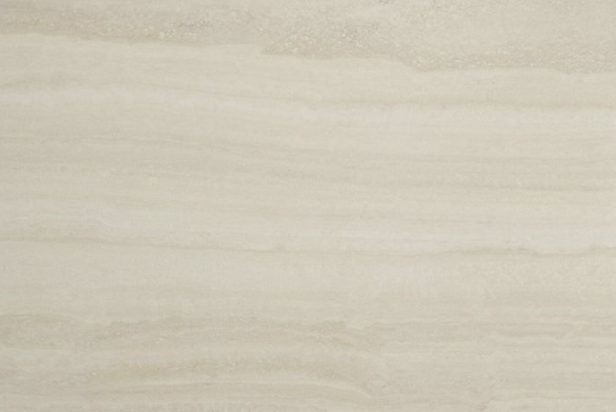
Travertine

Rustic. Textured. Old-world warmth.

Porous stone — juices, oils, and oil-based soaps can stain if not sealed well. Handles warm items, but not safe for direct hot pans. Softer surface that scratches and shows wear over time.

Pros

  • Distinct natural pitting
  • Warm tones
  • Timeless feel

Consider

  • Seal 2× per year
  • Softer surface
09 · Material

Sintered Stone

Dekton, Neolith, Sapienstone.

Engineered from natural minerals fused under extreme heat and pressure. Non-porous and stain-resistant — no sealing required. Superior heat resistance; can withstand high temperatures without damage.

Pros

  • No sealing required
  • Superior heat resistance
  • Highly stain-resistant

Consider

  • Brittle edge work
  • Limited edge profiles
10 · Material

Porcelain

Thin profile. Heat-proof. UV-stable.

Completely non-porous and resistant to liquids — no sealing required. Superstar stain resistance: wine, coffee, and oils won't penetrate. Ultra scratch-resistant and rated for outdoor use.

Pros

  • No sealing required
  • UV-stable for outdoors
  • Highly stain-resistant

Consider

  • Brittle edge work
  • Limited edge profiles
11 · Material

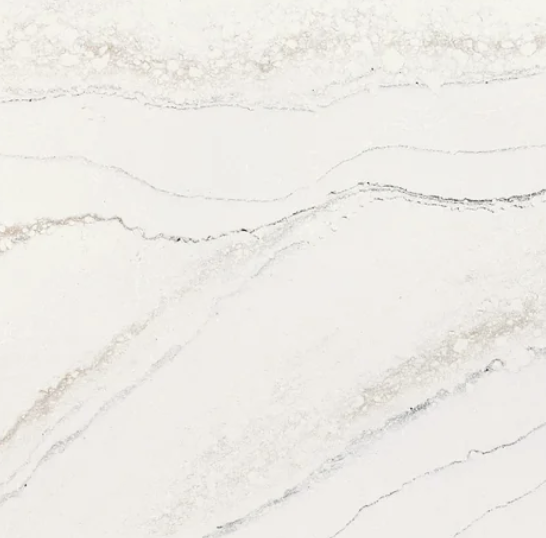
Quartz

Engineered. Predictable. Low-maintenance.

Resin-bound crystals — non-porous and won't absorb liquids. No sealing required. Highly resistant to stains from everyday spills like coffee, juice, and wine. Resistant to heat but can be damaged by hot pans — use trivets.

Pros

  • No sealing
  • Consistent color
  • Stain-resistant

Consider

  • Not heat-proof above 300°F
  • Less natural variation

Not sure which to choose?

Bring photos. We'll narrow it down in 15 minutes.

Book a consultation